Latest Blogs
_Hungarian_obstetrician_(1818-1_-_(MeisterDrucke-1003489).jpg)
The lesson of Semmelweis:
Right Data, Wrong Story
In 1840s Vienna, one in ten women giving birth in a hospital died from childbed fever. Ignaz Semmelweis, a young doctor, noticed that mortality was drastically higher in clinics run by doctors than those run by midwives.
Everyone knew, the women themselves and the doctors knew the numbers were bad. They blamed 'atmospheric conditions', 'cosmic influences', overcrowding, bad ventilation – thirty different theories. Every explanation except the one that would implicate their own behaviour.
Semmelweis collected the data obsessively. Why was one clinic killing women and the other wasn’t?
He then had a breakthrough: doctors were carrying infection from the autopsy room to the maternity ward. He introduced handwashing with a chlorinated lime solution and dropped deaths from 18% to nearly zero. The results were immediate and the data was clear.
When it came to sharing his findings, Semmelweis’ colleagues quickly rejected him. Not because the numbers were wrong, the data was undeniable and mortality went right down. They rejected him because the data attacked their character and credibility.
Semmelweis was effectively saying to every senior doctor in Vienna:
'You killed those women. Your hands. Your practices. Your lack of hygiene. You are the cause.'
The Lesson:
Semmelweis’ story shares an all important lesson, data alone isn’t enough. If your insight threatens someone’s sense of self, it will be ignored. How you present your findings to stakeholders and others within the organisation matters.
When sharing challenging insights, think about how they’ll land:
•Don’t position your audience as the problem, position them as the solution
•Make them the hero of what comes next
Make them the hero of what comes next
Because the difference between being right and being heard is how you tell the story and how to drive change.
Semmelweis was rejected, grew ever more frustrated & was eventually locked up in an asylum. As he was being detained he was beaten by a guard, his wounds lead to sepsis and he shortly died from a condition that he spent his life trying to prevent.
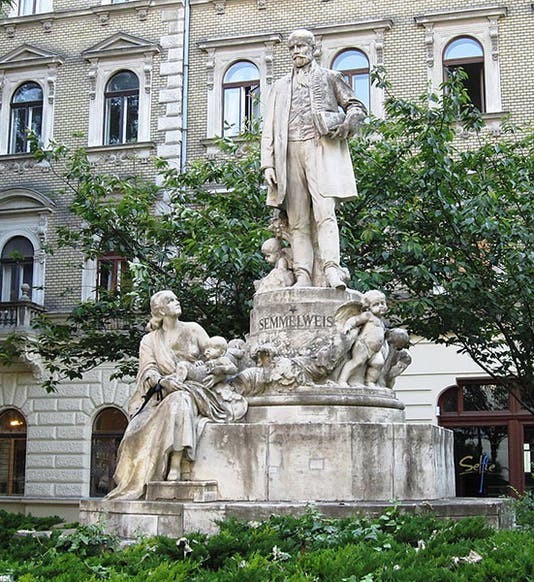
Many years later, his research and discoveried were finally recognised, and his contribution to science celebrated. He now has hospitals names after him in Hungary and other countries.